
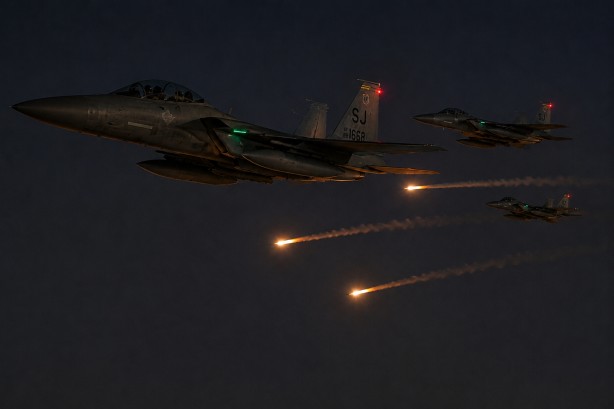
In a significant escalation of regional tensions, the United States and Saudi Arabia launched joint military strikes targeting Iran-backed militia positions in Iraq. This operation comes in response to a series of regional attacks that have intensified instability across the Middle East. The strikes, which focused on sites associated with Iraq’s Popular Mobilisation Forces (PMF), resulted in the deaths of at least 20 militia members and injuries to several others, as confirmed by officials.
The situation further escalated when the US military successfully intercepted Iranian ballistic missiles aimed at American forces, thereby averting potential damage to a US military base located in Jordan. In light of these developments, Washington has issued a stern warning, stating that any additional attacks on US personnel or Saudi energy facilities will prompt further military responses.
Compounding these tensions, Iran’s Revolutionary Guards have reported the interception of three oil tankers in the strategically critical Strait of Hormuz. The tankers are accused of violating Iranian regulations, an incident that has amplified worries regarding global energy supplies and consequently driven Brent crude oil prices higher.
The recent hostilities have shattered a brief period of relative calm, contributing to heightened uncertainty about regional stability. In Iraq, authorities have initiated an investigation into recent drone attacks, although Iranian-backed armed groups have denied any involvement. These unfolding events underscore the increasing security risks affecting the Gulf region and vital international shipping lanes.