
President Donald Trump’s Thursday warning to Ukraine about the risks of delayed negotiations reveals a strategic gambit: apply public pressure on Kyiv to consider difficult compromises before American envoys engage Russian officials in weekend Miami meetings. Trump’s Oval Office statement emphasized that Russia’s positions in negotiations could change if talks extend without resolution, creating urgency designed to make Ukraine more receptive to American mediation efforts and potentially more flexible on contentious issues.
The timing and substance of Trump’s public warning suggest a coordinated strategy aimed at influencing the dynamics of upcoming Miami discussions. By cautioning Ukraine about Russia’s potential to revise or harden its positions, Trump may be attempting to create conditions where Ukrainian officials view American mediation as crucial to securing acceptable terms. This public pressure complements private diplomatic efforts, creating multiple channels through which US influence flows toward both parties in the conflict.
Steve Witkoff and Jared Kushner will lead American efforts in weekend Miami meetings with Russian officials, having recently completed intensive two-day consultations with Ukrainian representatives in Berlin. The sequential structure of these engagements allows Trump’s envoys to develop comprehensive understanding of each party’s positions before attempting to identify areas of potential compromise. The Miami discussions will reveal whether Russia demonstrates any flexibility on issues that have proven intractable in previous rounds or whether Moscow’s positions remain rigid.
Ukrainian President Zelensky and US officials have characterized recent negotiating rounds in generally optimistic terms, though details remain closely guarded. However, Ukraine’s public position on territorial integrity has been stated clearly and repeatedly: no peace agreement will legitimize Russian control over any Ukrainian sovereign territory. Ukrainian officials have been particularly emphatic about the Donbas region, which has been central to the conflict since 2014 and where Russia has invested heavily in establishing military and political control.
Russia’s core demands center on territorial recognition that Ukraine categorically rejects. Moscow currently exercises control over Crimea, annexed in 2014, and substantial portions of Donetsk, Luhansk, Zaporizhzhia, and Kherson, occupied during the 2022 invasion. Russian negotiators insist not only on Ukrainian recognition of these territorial changes but also on complete Ukrainian military withdrawal from the entire Donbas region, including areas currently under Kyiv’s control. According to US officials familiar with the negotiations, Russian representatives have shown minimal willingness to compromise on these territorial requirements. Trump’s apparent strategy of pressuring Ukraine toward concessions before engaging Russia in Miami reflects either optimism that such pressure will produce Ukrainian flexibility or recognition that achieving peace will require Ukraine to abandon positions it has declared non-negotiable, even as Russia demonstrates little inclination to moderate its own demands—a diplomatic challenge that may prove impossible to overcome despite Trump’s intensive efforts.
Trump’s Gambit: Push Ukraine Toward Concessions Before Engaging Russia
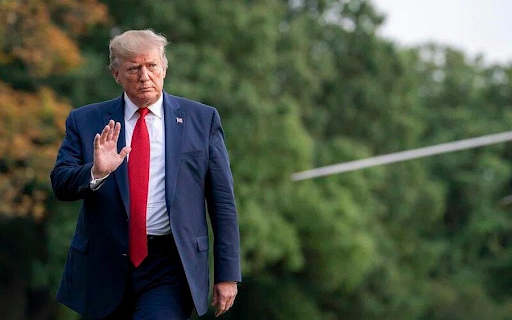
Picture Credit: www.rawpixel.com
64