
Every journey has a story, and the UK’s most historic ferry routes are steeped in fascinating tales of explorers, artists, and engineers. To travel on these boats is to follow in the wake of centuries of history, connecting with the people and events that have shaped these waterways. These are not just crossings; they are voyages through a rich cultural tapestry.
The crossing on the River Dart lands you at a plaque honouring John Davis, one of Devon’s great “sea dogs” from the Elizabethan era. He was a fearless explorer who searched for the Northwest Passage and met a dramatic end at the hands of pirates. Boarding the ferry in Dartmouth, a town with a deep naval heritage, you can almost feel the echoes of that adventurous spirit.
At Symonds Yat, the ferry takes you into a landscape that sparked an artistic revolution. It was here in 1770 that William Gilpin, a key figure in the Picturesque movement, championed the beauty of “untamed” nature. His writings encouraged a new appreciation for the wild landscapes of Britain, effectively launching one of the country’s first tourist booms. The view from the rock, accessed via the ferry, is the very scene that inspired a new way of seeing the world.
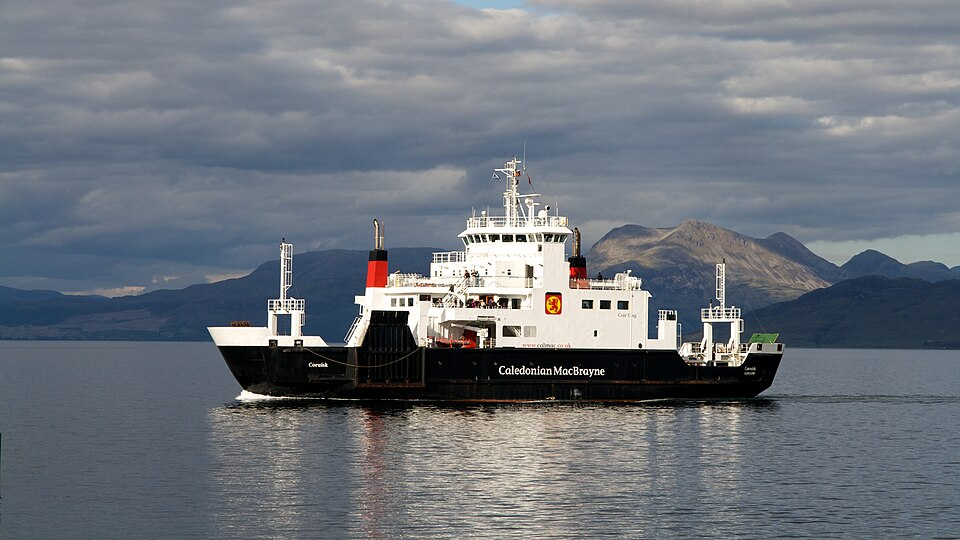
From the pirate-era heritage of Penzance to the community campaign that saved the historic Skye ferry, these routes are packed with human stories of adventure, innovation, and passion. Choosing these ferries allows you to engage with that history directly, making your journey a far richer and more meaningful experience.
From Sea Dogs to Artists: The Rich Stories Behind Britain’s Ferry Routes
Picture Credit: commons.wikimedia.org
113