
Medical research has unveiled concerning statistics about metabolic liver disease prevalence. Data published at the beginning of this year indicates that approximately 40% of adults show signs of fatty liver driven by metabolic complications. This silent condition, developing primarily from obesity and glucose dysregulation, often progresses undetected until significant damage has occurred, emphasizing the critical importance of preventive nutrition.
Understanding the mechanisms of liver disease progression clarifies why dietary approaches prove so effective. The liver serves as the body’s primary metabolic and detoxification center, processing nutrients and filtering toxins continuously. When overwhelmed by inflammatory signals and metabolic stress, it begins storing fat abnormally. This accumulation triggers cascades of cellular damage that compound over time, potentially evolving into serious complications without proper intervention.
An expert with specialized credentials in global health nutrition has outlined five foods offering substantial liver protection. These recommendations aren’t arbitrary but grounded in scientific research demonstrating how specific compounds support optimal liver function. Each selection targets particular aspects of liver disease, from inflammation reduction to oxidative stress management to cellular regeneration enhancement.
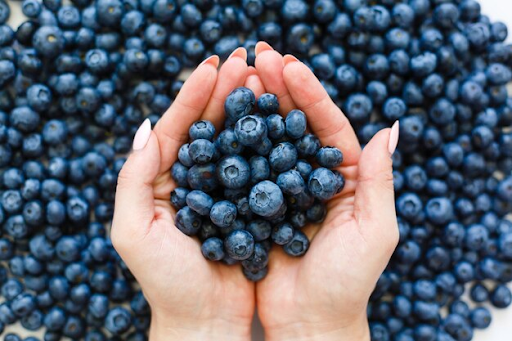
The carefully selected foods include both accessible everyday items and traditional healing ingredients. Morning beverages containing specific compounds have demonstrated ability to actively slow disease progression. Antioxidant-rich berries deliver anti-inflammatory molecules that protect liver cells from ongoing damage. Traditional remedies provide high concentrations of vitamin C that reduce oxidative stress, while nutrient-dense foods support the liver’s natural capacity for repair and regeneration.
Translating this scientific knowledge into practical action requires minimal lifestyle disruption. The strategy emphasizes consistent inclusion of these protective foods through simple, sustainable dietary habits. Whether selecting particular beverages for breakfast, incorporating specific fruits into regular meals and snacks, or cooking with certain traditional spices, these manageable modifications create meaningful improvements in liver health when maintained consistently over time.
5 Foods That Stop Fatty Liver in Its Tracks: Expert Advice
Picture Credit: www.freepik.com
71