
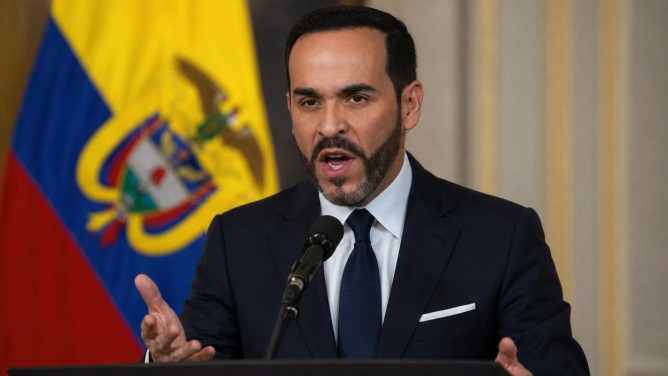
Colombian President Abelardo de la Espriella has initiated a directive for authorities to commence operations focusing on migrants with irregular immigration status and foreign nationals suspected of criminal activities. During a cabinet meeting held in Barranquilla, de la Espriella emphasized the need for coordinated efforts by police and migration authorities to begin this week. The operations will prioritize targeting migrants linked to criminal activities, followed by those who have not yet regularized their immigration status.
In addition to these immigration measures, President de la Espriella announced a crackdown on criminal organizations involved in drug trafficking, illegal mining, extortion, and smuggling. He declared that his administration intends to classify such groups as terrorists, indicating a shift towards more stringent actions against these entities.
The proposed immigration measures have sparked criticism from opposition parties and human rights organizations. These groups express concern that the policy could undermine Colombia’s previous initiatives aimed at supporting migrants, particularly those arriving from Venezuela. With a significant number of Venezuelans residing in Colombia under irregular circumstances, critics advocate for the government to prioritize the regularization of migrants instead of implementing expansive deportation strategies.
Debate has also arisen over the terminology used by the president, as Colombian law typically describes migrants without proper documentation as being in an “irregular” situation, rather than labeling them as “illegal.” This distinction has prompted discussions about the legal procedures and language surrounding the issue.