
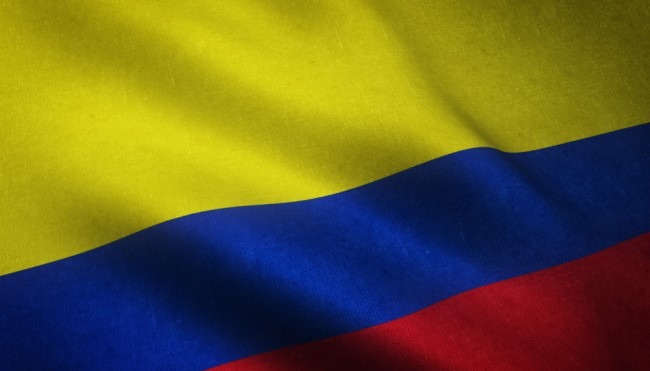
Colombians are gearing up to cast their votes in the initial round of the presidential election, a process that has been marked by intense political tensions, fiery discourse, and episodes of violence. This election is crucial as it will determine the successor to President Gustavo Petro, who is not eligible for re-election due to constitutional limitations. A candidate needs to secure over 50 percent of valid votes to win outright in the first round. Should no candidate achieve this majority, a runoff will take place on June 21 between the top two contenders.
The political landscape has seen a surge in polarization, with candidates and their followers opting for personal attacks and confrontational rhetoric over substantive policy discussions. This period has also been marred by political violence, including assaults on campaign offices and incidents targeting campaign workers, which have heightened security concerns.
Among the prominent candidates are Iván Cepeda, Paloma Valencia, and Abelardo de la Espriella, who are considered the frontrunners in this electoral race. The hostile political climate has raised alarms among observers, who note that this environment is detracting from the critical issues facing Colombia. Social media-driven campaigns, misinformation, and divisive rhetoric are further inflaming public tensions and fostering mistrust among rival political factions.
Analysts caution that regardless of who emerges victorious, the next administration will inherit the significant challenge of governing a nation deeply divided by political strife. Restoring political dialogue, rebuilding public trust, and fostering democratic coexistence stand out as some of the most urgent tasks awaiting Colombia’s future leader.
This election is under intense scrutiny both within Colombia and internationally, viewed as a pivotal test of the country’s democratic institutions amid a period of pronounced political polarization.