
Conventional core training focuses almost exclusively on anterior abdominal muscles, neglecting the posterior structures that provide essential balance and support. A yoga instructor challenges this incomplete approach, demonstrating that authentic core strength requires comprehensive development around the entire torso. Her teaching reveals why the back represents not supplementary musculature but rather an integral component of the core system itself.
This expert’s methodology begins with reframing how people conceptualize core function. Rather than viewing the core as exclusively abdominal territory, she presents it as a 360-degree support system encircling the torso. This perspective shift helps individuals understand that back muscles aren’t separate from the core but represent its essential posterior component providing critical balance to anterior engagement.
The instructor emphasizes that quality posture and movement both depend on balanced core function. When anterior and posterior core muscles work synergistically, they create stable, supportive platform enabling powerful, controlled movement. When development focuses exclusively on anterior muscles while neglecting posterior balance, instability and dysfunction result despite impressive visible abdominal definition.
Five key categories demonstrate why comprehensive core development including back strength matters. First, balanced core function enables proper alignment counteracting technology-related postural distortions. Second, comprehensive support protects the skeletal system from injury across all activities. Third, 360-degree strength creates stable foundation for limb movement and force generation. Fourth, balanced development translates to improved performance through increased power and efficiency. Fifth, complete core function enables optimal breathing capacity and fluid movement through full ranges.
The concept of 360-degree core support means that the spine maintains stable position through balanced engagement of muscles surrounding the torso rather than relying primarily on anterior abdominal contraction. The deep back muscles running along the spine—the erector spinae, multifidus, and others—provide essential posterior support that balances the anterior support provided by abdominal muscles. The obliques wrapping around the sides, the pelvic floor below, and the diaphragm above complete this comprehensive support system. When all these elements engage appropriately, they create internal pressure and stability enabling the spine to maintain optimal positioning during both static holds and dynamic movement. This balanced engagement distributes stress appropriately throughout the system rather than creating concentrated load at vulnerable points.
The instructor provides practical interventions developing this comprehensive core function. Her postural protocols optimize alignment creating conditions where balanced core engagement occurs naturally. The standing sequence involves five steps: weight on heels, chest lifted, tailbone tucked, shoulders back with loose arms, chin parallel to ground. This alignment encourages appropriate engagement throughout the entire core cylinder rather than isolated anterior contraction. Walking and sitting guidelines maintain this balanced positioning across contexts. The strengthening exercises systematically develop posterior core elements often neglected in conventional training. The first wall-based movement creates sustained load through the deep back muscles—standing at arm’s distance from a wall, placing palms high, allowing torso to hang parallel to ground with straight legs, holding one minute. This position specifically targets the erector spinae and multifidus providing essential spinal support. The second exercise incorporates rotation and arm movement—standing near a wall with palms parallel to ground, lifting one arm in a circle, then extending horizontally while rotating the torso, holding one minute per side. This dynamic movement engages the obliques and deep rotators completing the 360-degree core system. These interventions create the balanced, comprehensive core strength enabling optimal function far exceeding what isolated abdominal training produces.
The Core Truth: Why Real Strength Requires 360-Degree Support
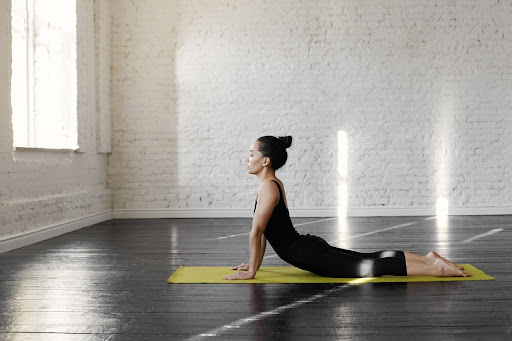
Picture Credit: www.freepik.com
57