
Israeli Prime Minister Benjamin Netanyahu is framing the new ceasefire with Hamas not as a mutual agreement for peace, but as a direct consequence of Israel’s relentless military pressure. As he prepares to host President Donald Trump, Netanyahu’s message is that force, not just diplomacy, brought about the deal to free Israeli hostages.
“Hamas agreed to the deal only when it felt that the sword was on its neck — and it is still on its neck,” Netanyahu declared on Friday as Israeli forces began their pullback. This statement serves as both a justification for Israel’s military campaign in Gaza and a stark warning to Hamas that hostilities could resume at any moment.
This perspective is crucial to understanding Israel’s approach to the current truce. The government does not view this as the end of the conflict but as a tactical pause to achieve a primary objective: the return of its captured citizens. The larger strategic goal of ensuring Hamas can never again threaten Israel remains paramount.
Consequently, Netanyahu has reiterated that Israel’s campaign to demilitarize Hamas will continue after the hostage exchange is complete. This sets up a potential clash with the broader international push for a permanent ceasefire and a political solution. It also aligns with the skeptical view of experts like H.R. McMaster, who doubt Hamas will ever disarm without being compelled by force.
While Trump’s visit is cast as a celebration of a diplomatic breakthrough, Netanyahu is ensuring the world understands the military reality that, in his view, made it possible. For Israel, the calm is conditional, and the threat of the sword remains a key element of its strategy.
A Ceasefire Born of Military Pressure, Netanyahu Says
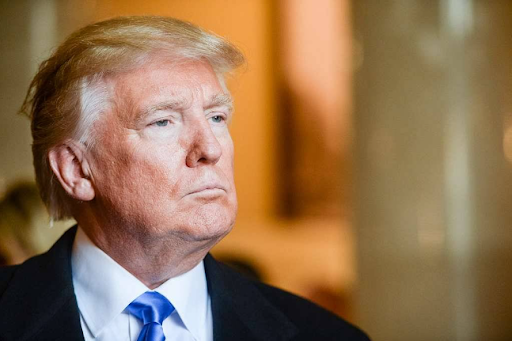
Picture Credit: www.picryl.com
76